+91 7380693375 info@tose.org.in

Construction :

Classrooms Planning​​​​​​​

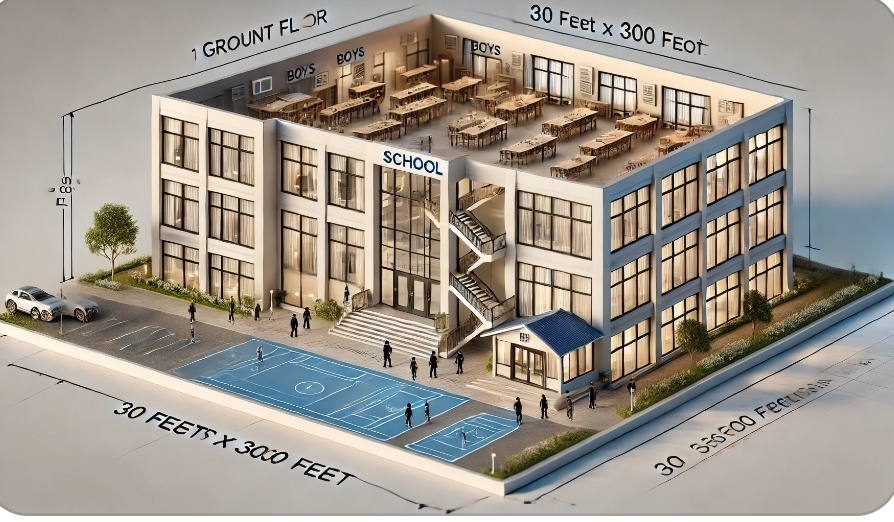
3-floor 2 school buildings with classrooms arranged in a row from north to south, including a corridor and access points (stairs, lift, and ramp) after every 9 classrooms.

Break down in detail:       

Building Dimensions:

  • ​​​​​​​

Total Width (East-West): 60 feet

  • ​​​​​​​

Total Length (North-South): 1000 feet

  • ​​​​​​​

Floors: 3

Classroom Dimensions:

  • ​​​​​​​

Width (East-West): 20 feet

  • ​​​​​​​

Length (North-South): 30 feet

  • ​​​​​​​

Total Classrooms per Floor: 18

Corridor & Access Features:

  • ​​​​​​​

Corridor Width (East-West): 9 feet

  • ​​​​​​​

Stairs, Lift & Ramp: Placed in between, i.e., after every 9 classrooms

Placement of Classrooms and Features per Floor:

1.

First Set of 9 Classrooms: (Each 20 feet wide, totalling 180 feet in length)

​​​​​​​2.

Stair, Lift, and Ramp Area: (Placed centrally between the two classroom sets)

3.

Second Set of 9 Classrooms: (Another 180 feet in length)

Total Space Utilization:

  • ​​​​​​​

Classrooms (9 per section x 2 sections per floor): 180 feet + 180 feet = 360 feet

  • ​​​​​​​

Corridors & Access Space: (Placed after every 9 classrooms)

  • ​​​​​​​

Structural Walls, Stairs, Lift, Ramp: 115 feet

Library (31m × 9m, 3 floors in a row)

General Considerations for Each Floor

Ground Floor: Main Library & Circulation Area

  • ​​​​​​​

Entrance & Reception – Front desk for check-in, book returns, and assistance.

  • ​​​​​​​

Bookshelves & Reading Area – Organized sections for fiction, non-fiction, and reference books.

  • ​​​​​​​

Computer Section – For digital research and online learning.

  • ​​​​​​​

Lounge & Discussion Zones – Small seating areas for informal discussions.

  • ​​​​​​​

Windows & Lighting – Large windows for natural light + modern LED panels.

First Floor: Study & Collaboration Space

  • ​​​​​​​

Private Study Rooms – Soundproof rooms for focused studying.

  • ​​​​​​​

Group Study Tables – Open space with flexible seating.

  • ​​​​​​​

Cafeteria & Refreshment Area – Small snack/coffee zone for students.

  • ​​​​​​​

Digital Screen & Interactive Boards – For research presentations.

Second Floor: Research & Multimedia Center

  • ​​​​​​​

Silent Study Zone – Individual cubicles for deep concentration.

  • ​​​​​​​

E-Library Section – Computers with access to digital books/journals.

  • ​​​​​​​

Seminar Room – Small conference space for guest lectures & workshops.

  • ​​​​​​​

Outdoor Reading Balcony (if possible) – Small open-air space with benches.

2 Reading Rooms for Boys & Girls (Each 31m × 9m, 3 floors in a row)

General Considerations for Each Floor

  • ​​​​​​​

Seating Capacity: 80–100 students per floor, depending on furniture layout.

  • ​​​​​​​

Lighting: Large windows along the long sides for natural light + ceiling LED panels

  • ​​​​​​​

Ventilation: Cross-ventilation with openable windows or mechanical ventilation.

  • ​​​​​​​

Acoustics: Sound-absorbing panels to minimize noise between floors.

  • ​​​​​​​

Furniture: Individual study desks, shared tables, or lounge seating (flexible setup).

  • ​​​​​​​

Technology: Power outlets, wi-fi, and digital screens for announcements or group discussions.

Layout Plan (Per Floor)

1.

Quiet Individual Study Zone (One Side - 15m × 9m)

  • ​​​​​​​

Row Seating: Single-person desks in a linear arrangement (gap between for movement).

  • ​​​​​​​

Cubicles: Soundproof booths for focused study.

  • ​​​​​​​

Window Seating: High desks with bar stools for natural light reading.

2.

Group Discussion & Collaboration Area (Middle - 6m × 9m)

  • ​​​​​​​

Round Tables: 4–6 students per table for discussions.

  • ​​​​​​​

Whiteboards & Digital Screens: For brainstorming sessions.

  • ​​​​​​​

Soft Seating: Couches or bean bags for a relaxed discussion zone.

3.

Relaxed Reading & Lounge Area (Other Side - 10m × 9m)

  • ​​​​​​​

Sofa Sets & Lounge Chairs: Comfortable seating for casual reading.

  • ​​​​​​​

Carpeted Area with Floor Cushions: For an informal reading space.

  • ​​​​​​​

Plants & Decor: To create a peaceful environment.

Floor Distribution (Optional Ideas)

  • ​​​​​​​

Ground Floor: General reading & open study (easiest access).

  • ​​​​​​​

First Floor: Group collaboration & discussion rooms.

  • ​​​​​​​

Second Floor: Silent study zone for exam preparation.

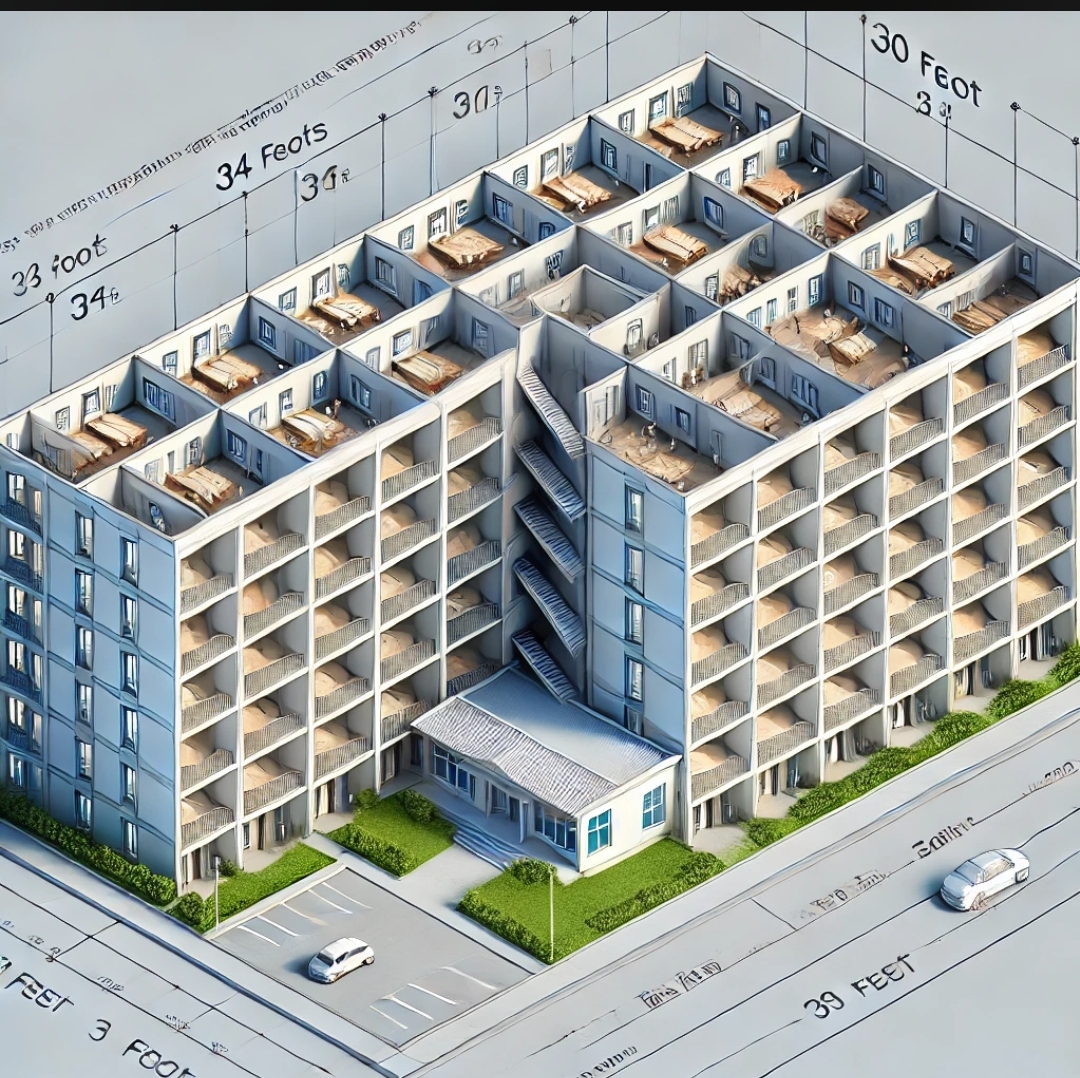
2 Hostels for Boys & Girls (Each 31m × 9m, 3 floors in a row)

Design Considerations:

1.

Capacity – Number of students per room (single, double, or dormitory-style).

2.

Facilities – Washrooms, common areas, study rooms, warden's room, and staircase placement.

3.

Ventilation & Light – Ensuring natural airflow and lighting.

4.

Accessibility & Safety – Emergency exits, staircases, and fire safety measures.

Proposed Floor Plan (Each Floor)

Ground Floor:

  • ​​​​​​​

Entrance & Reception Area

  • ​​​​​​​

Warden’s Room & Office

  • ​​​​​​​

Common Hall / Dining Area

  • ​​​​​​​

Kitchen & Storage

  • ​​​​​​​

2-3 Dormitory Rooms (4-6 students each)

  • ​​​​​​​

Shared Washrooms & Toilets

  • ​​​​​​​

Staircase Access

First & Second Floor:

  • ​​​​​​​

4-6 Dormitory Rooms (4-6 students each)

  • ​​​​​​​

Shared Washrooms & Toilets

  • ​​​​​​​

Study Area / Common Lounge

  • ​​​​​​​

Balcony / Drying Area

  • ​​​​​​​

Staircase & Emergency Exit

Roof/Extra Considerations:

  • ​​​​​​​

Water Storage Tank

  • ​​​​​​​

Solar Panels (if needed)

  • ​​​​​​​

Additional Space for Drying Clothes or Recreational Use